What Goes Wrong Under Your Floors and How to Fix It
The most common subfloor problems during floor installation include uneven surfaces, moisture damage, squeaks, soft spots, and loose panels. These issues can lead to cracked tiles, gaps in planks, or floors that feel bouncy. The good news is that most subfloor problems can be found and fixed before new flooring goes down.
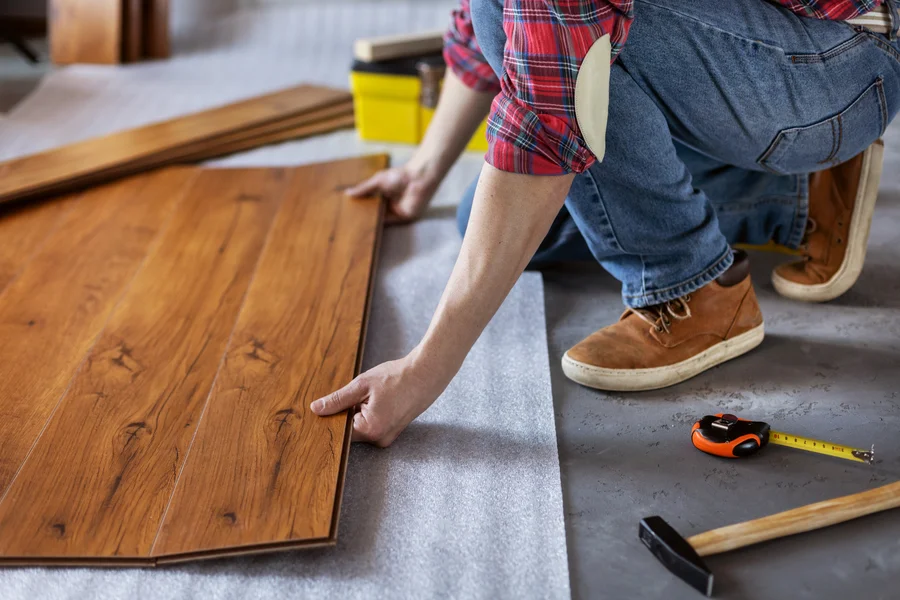
Quick Diagnosis of Subfloor Trouble
If your new floor looks uneven or feels unstable, the subfloor is often the cause. A subfloor is the solid layer under your finished flooring. It supports hardwood, tile, vinyl, or carpet. During floor installation, this hidden layer must be clean, dry, flat, and secure. If it is not, problems show up fast.
Many homeowners focus on the surface floor and forget what is underneath. But skipping proper prep work can lead to repairs that cost more later.
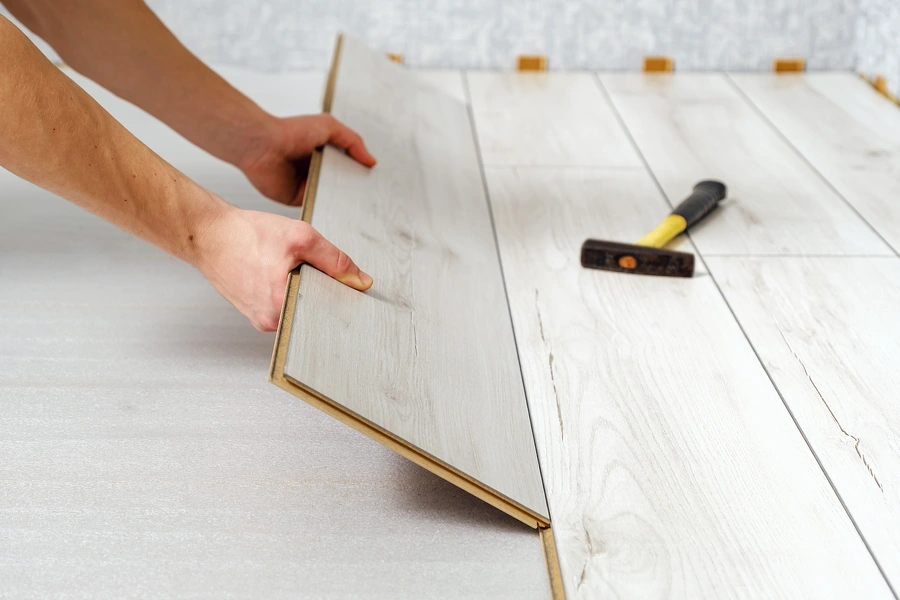
Common Symptoms to Watch For
Subfloor problems often show clear warning signs. Before or after floor installation, look for these symptoms:
- Floors that squeak when you walk
- Soft or spongy spots
- Visible dips or humps in the surface
- Cracked tile or grout lines
- Boards that separate or shift
- Musty smells coming from the floor
These signs usually mean the subfloor was damaged, uneven, or not secured the right way.
What Causes These Subfloor Problems
There are a few common causes behind most subfloor issues.
Moisture damage: Water from leaks, spills, or high humidity can soak into wood subfloors. Over time, this causes swelling, rot, or mold growth.
Poor leveling: If the subfloor is not flat, the finished floor will not sit properly. Even small height changes can create stress on planks or tiles.
Loose fasteners: Nails or screws may loosen over time. This leads to squeaks and movement.
Wrong materials: Some flooring types need specific underlayment or thickness. Using the wrong base layer can cause early failure.
Old structural damage: In older homes, subfloors may be weak from age, pests, or past repairs.
What to Check First Before Moving Forward
Before starting any floor installation, inspect the subfloor carefully.
- Walk across the entire area and feel for soft spots.
- Use a level to check for dips or raised areas.
- Listen for squeaks or popping sounds.
- Look for dark stains that may point to water damage.
- Check that all panels are tightly fastened.
If you spot uneven sections, measure how deep they are. Small dips can often be fixed with leveling compound. Larger problems may need panel replacement.
Safe Fixes Versus Professional Repairs
Some subfloor fixes are simple. Others require trained help.
Safe fixes you might handle:
- Tightening loose screws to stop squeaks
- Applying leveling compound to minor low spots
- Replacing small, damaged sections of plywood
- Sealing minor gaps
Repairs best left to pros:
- Fixing major rot or mold damage
- Correcting structural sagging
- Replacing large subfloor sections
- Addressing serious moisture problems
If the floor feels unstable or you see signs of mold, it is smart to pause your floor installation plans. Installing new flooring over a weak base only hides the problem for a short time.
How to Prevent Subfloor Issues in the Future
Prevention starts before the first plank or tile is installed.
Keep indoor humidity at steady levels. Use a moisture barrier where needed, especially over concrete. Fix plumbing leaks quickly. Always clean and dry the surface before new materials go down.
Choose the right underlayment for your flooring type. Hardwood, laminate, and tile each have different support needs. Follow manufacturer guidelines closely during floor installation.
It also helps to allow flooring materials time to adjust to room conditions. Let wood planks sit in the space for several days before installation. This reduces movement after the job is done.
When to Call a Professional Team
If you are not sure about the condition of your subfloor, getting a professional inspection can save time and money. We handle subfloor repairs and floor installation work throughout Winfield, KS. Our team at Creative Floors Coating & Design checks for moisture, level issues, and hidden damage before starting any project. If you want solid, long-lasting results, call us at (620) 205-2282 and let us help you build a strong foundation for your new floors.